How Weather Shapes Your Photography Session (And Why That’s Not Always a Bad Thing)
If you’ve ever booked an outdoor photography session, chances are you’ve watched the weather forecast like it personally offended you.
Trust me — photographers do the exact same thing.
One of the biggest misconceptions about outdoor photography is that the “perfect” session requires perfect weather. In reality, some of the most beautiful, emotional, and cinematic sessions happen in less-than-perfect conditions. Golden sun is wonderful, of course, but cloudy skies, wind, fog, drizzle, and even cold weather can completely transform the mood and storytelling of a session in the best way.
The key is knowing how to work with the weather instead of fighting against it.
Sunny Days vs. Cloudy Days
Golden sunshine is what most people picture when they think of outdoor portraits — warm skin tones, glowing backlight, and that dreamy sunset haze. And yes, golden hour is absolutely magical.
But overcast days? They deserve more credit.
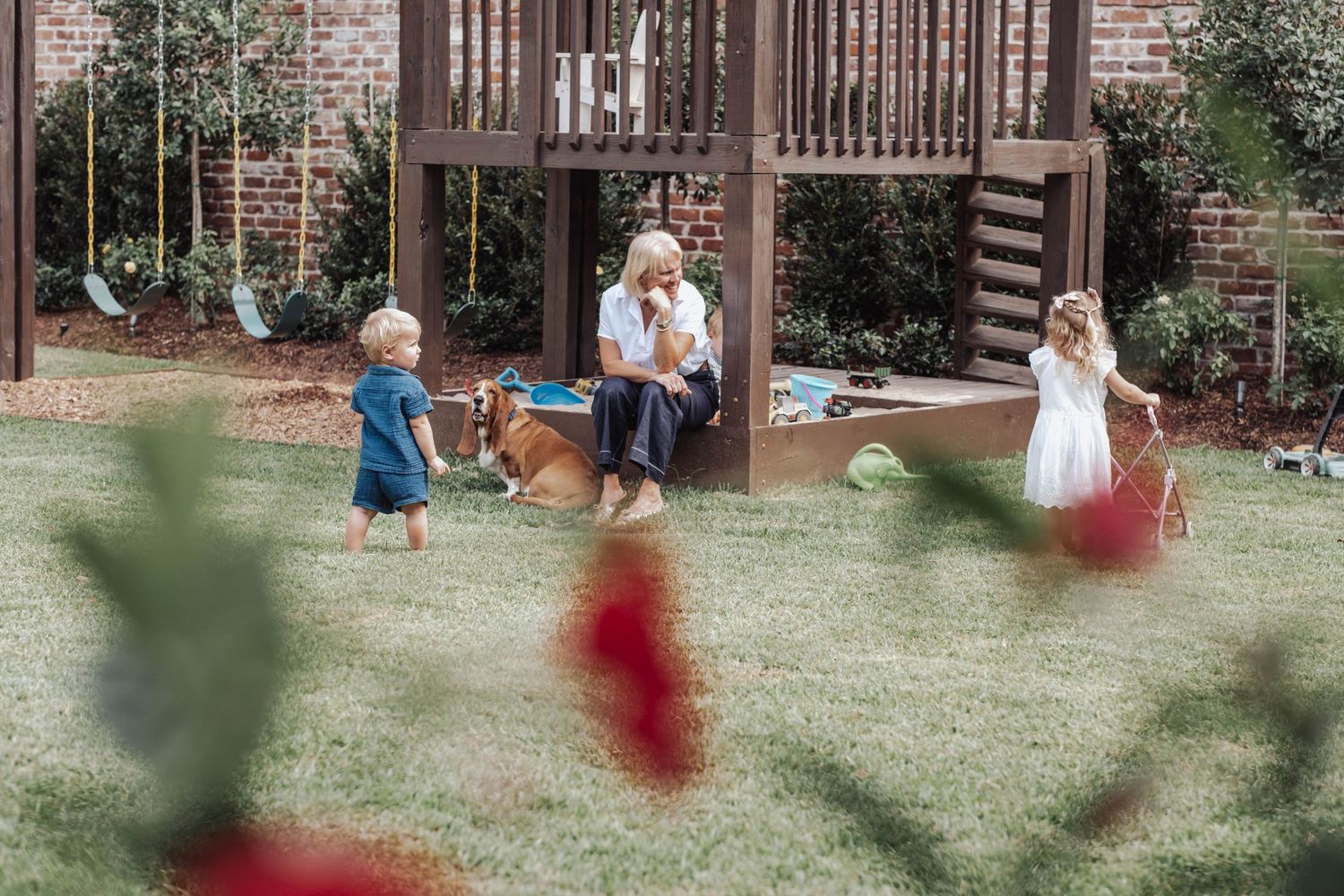
Cloud cover acts like a giant natural diffuser, softening harsh light and creating even skin tones with very little squinting. Cloudy weather also opens up locations that can sometimes be too bright or contrast-heavy in direct sun. Gardens, downtown areas, porches, alleyways, and wooded spaces often photograph beautifully under gray skies.
Some of my favorite sessions have happened on cloudy days because they create a softer, moodier, more intimate feel.
Weather Affects More Than Lighting — It Affects Styling Too
One thing clients don’t always realize is that weather heavily influences wardrobe recommendations.
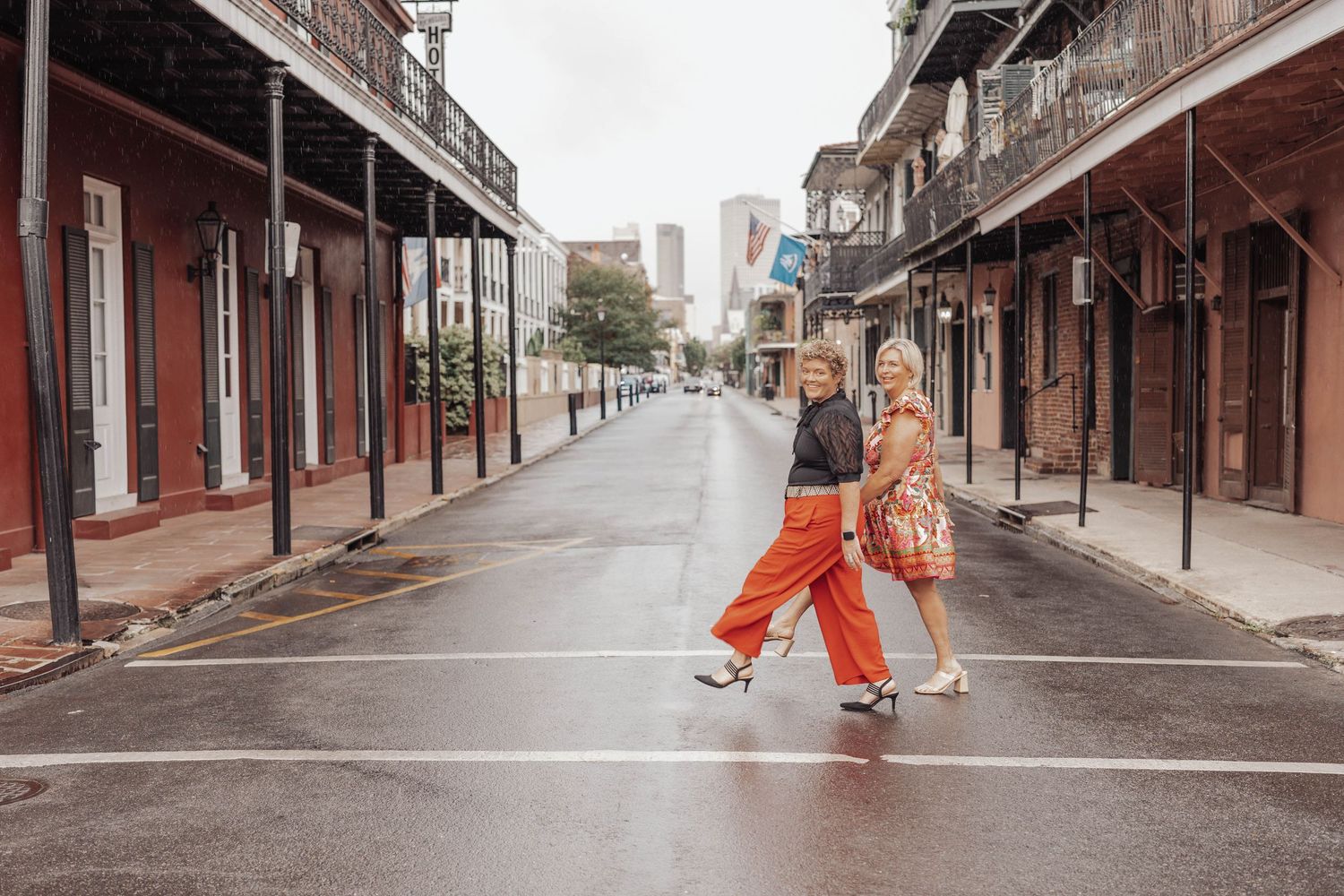
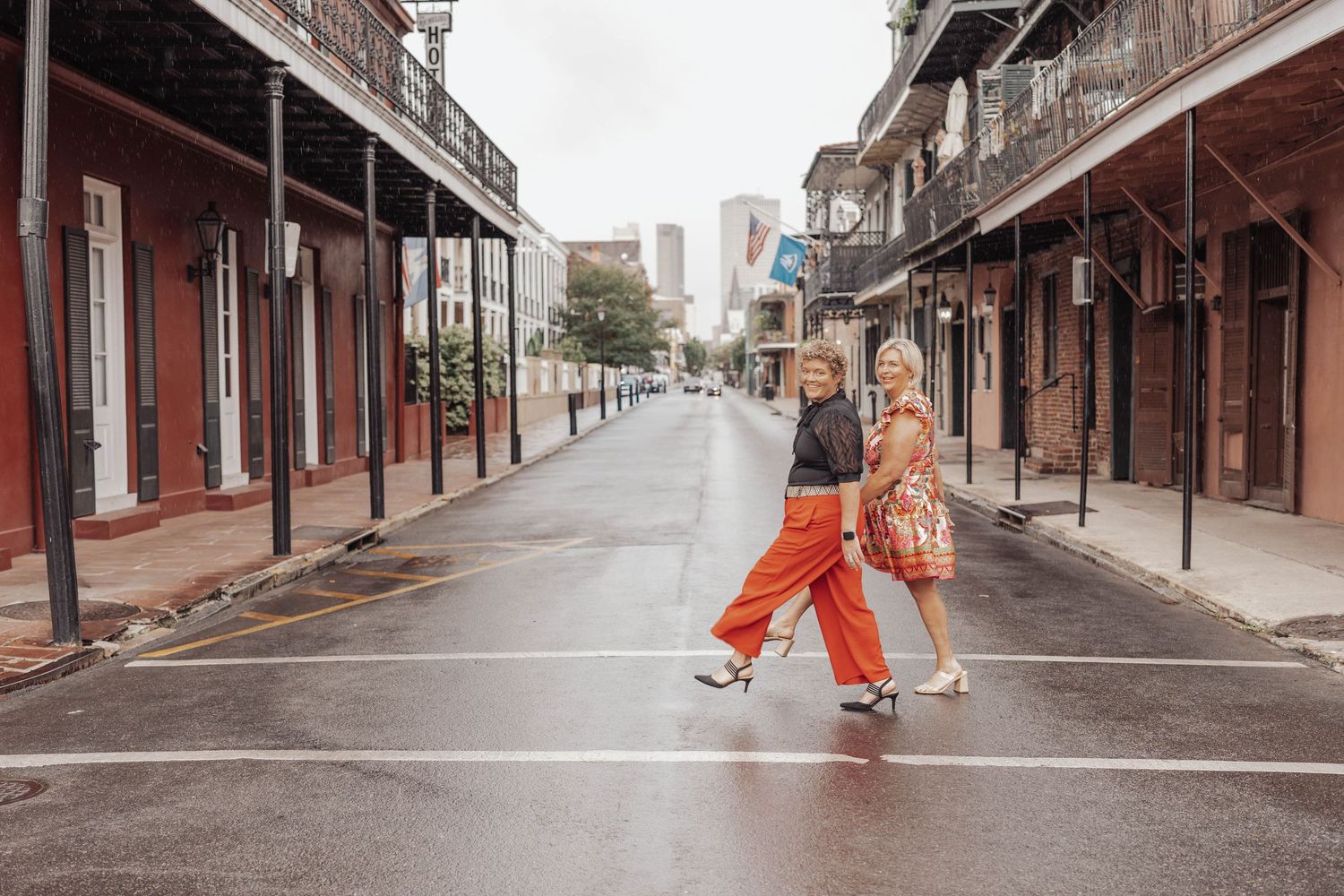
Recently, I had a session scheduled for a cloudy, drizzly afternoon. Knowing the environment would be filled with muted gray tones, I intentionally suggested bolder colors than I normally would. Rich tones photograph beautifully against overcast skies because they create contrast and help subjects stand out from the softer background.
But then the weather shifted and we decided to move the session indoors.
The home where we photographed had a vibrant, vintage-inspired interior with layered textures, wallpaper, and rich colors already built into the environment. Suddenly, those bold clothing choices would have competed with the space instead of complementing it. So I pivoted and recommended softer neutrals instead to balance the visual weight of the room.
That’s why styling guides aren’t one-size-fits-all.
What photographs beautifully in an open field at sunset may not work the same way in a moody historic home, downtown bar, or cloudy urban setting. Weather and environment work together to influence the overall look and feel of your images.
Hot Weather Changes the Way We Dress (and Move)
Louisiana heat is no joke.
When temperatures climb, I usually recommend lightweight fabrics that breathe and move naturally — linen, cotton, gauze, soft dresses, flowy skirts, relaxed button-downs, and clothing with movement. Not only are these fabrics more comfortable, but they also photograph beautifully when there’s a breeze.
Heavy fabrics during extreme heat tend to cling, wrinkle, and make people visibly uncomfortable, which absolutely translates into photographs.
Comfort matters more than people think.
When clients feel physically comfortable, they relax faster, move more naturally, and genuinely enjoy the experience. That changes everything about the final gallery.
Cold Weather Creates Texture and Mood
On the flip side, colder weather can add incredible depth to a session.
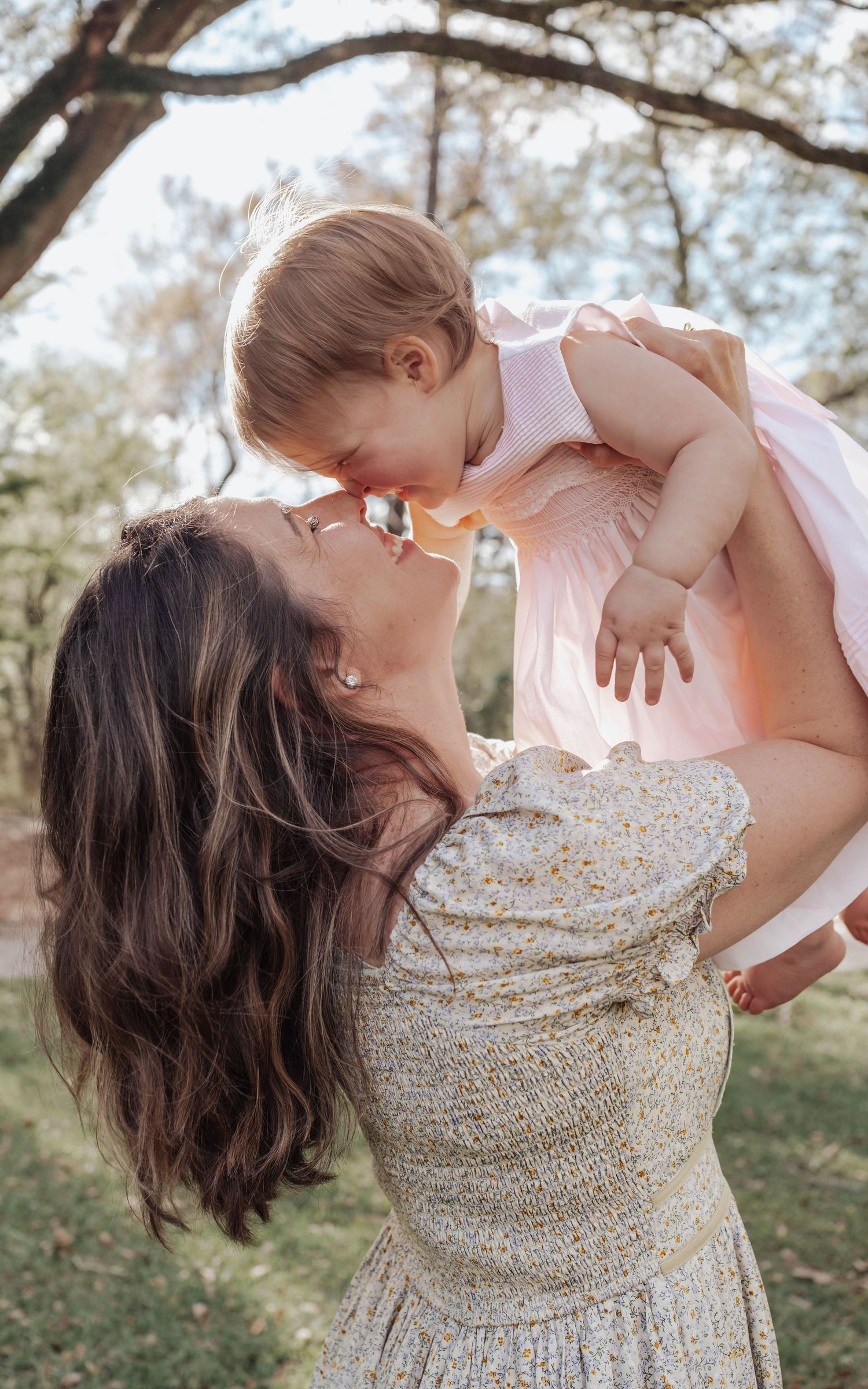
Chunky knits, textured layers, scarves, long coats, boots, and rich seasonal tones create visual interest that photographs beautifully. Fall and winter sessions naturally feel cozier and more intimate because people instinctively lean in closer, cuddle more, and interact differently.
Some of the most emotionally connected family images happen during cooler months for exactly that reason.
Wind: Beautiful or Chaotic Depending on the Day
A little wind? Gorgeous.
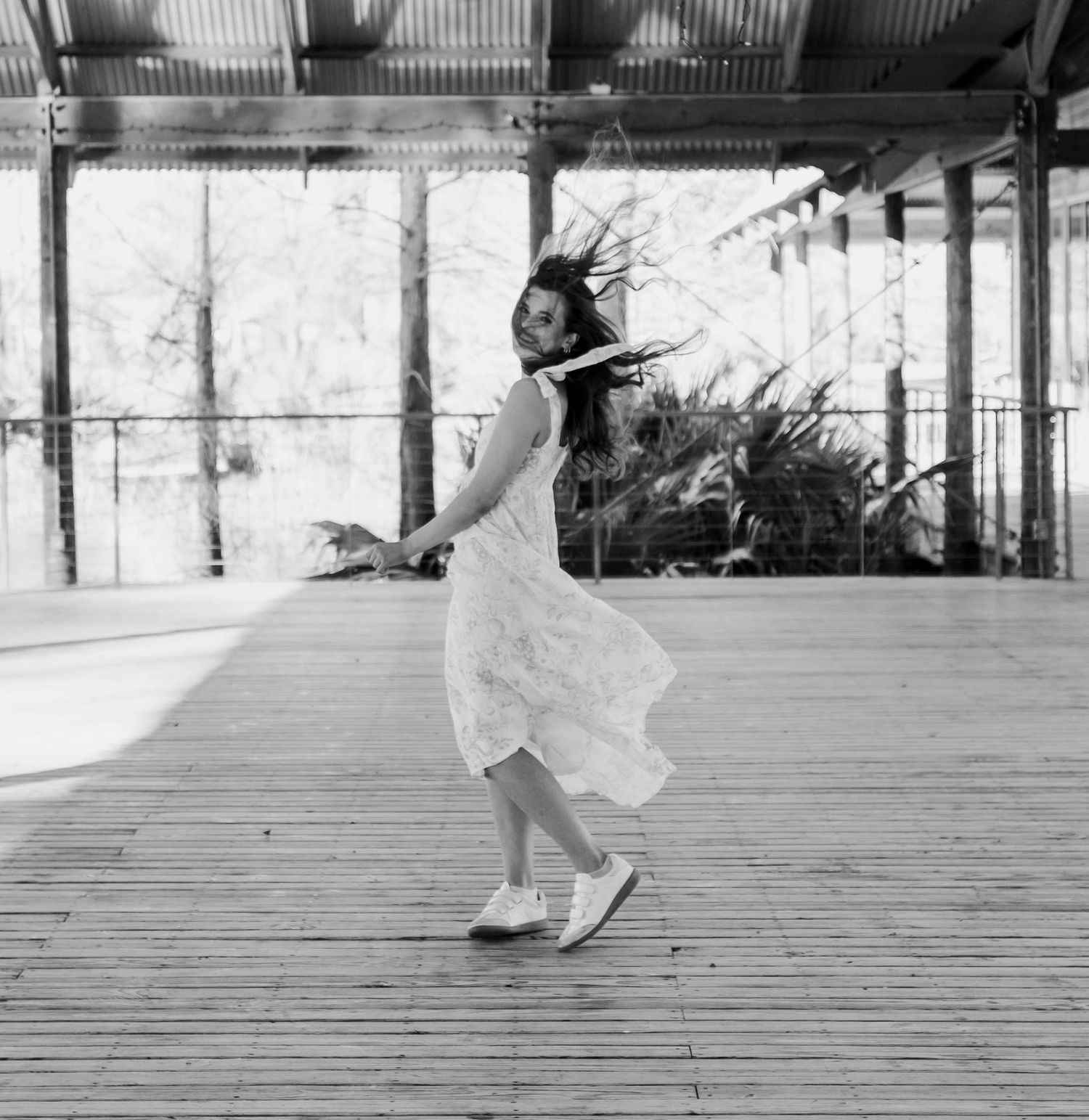
The right breeze adds movement to hair, dresses, and fabric and gives images life and motion. It can make a session feel editorial and cinematic without trying too hard.
But strong wind is another story.
Once gusts get too aggressive, hair becomes distracting, clothing twists awkwardly, and people spend more time fixing themselves than interacting naturally. There’s definitely a threshold where “beautiful movement” turns into survival mode.
Part of my job is evaluating whether weather conditions are enhancing the session or actively fighting against it.
When Do I Decide to Reschedule?
This is probably the question I get most often.
The truth is, rescheduling is never a decision I make lightly because I know sessions involve coordinating schedules, outfits, hair and makeup appointments, childcare, pets, and sometimes travel.
But I also know your images are an investment.
If I recommend rescheduling, it’s because I genuinely believe the weather is going to negatively impact the final result — whether that’s severe wind, dangerous storms, extreme heat, heavy humidity, or unpredictable rain.
Sometimes we pivot locations instead. Sometimes we move indoors. Sometimes we lean into the weather and create something unexpectedly beautiful.
And sometimes the best decision is simply waiting for a better day.
Trust the Process
One of the most valuable things a photographer brings to a session isn’t just a camera — it’s the ability to adapt.
Light changes. Weather changes. Locations shift. Plans evolve.
The goal is never perfection. The goal is creating images that feel real, connected, timeless, and true to the moment you’re in.
And honestly? Sometimes the weather becomes part of the story itself.